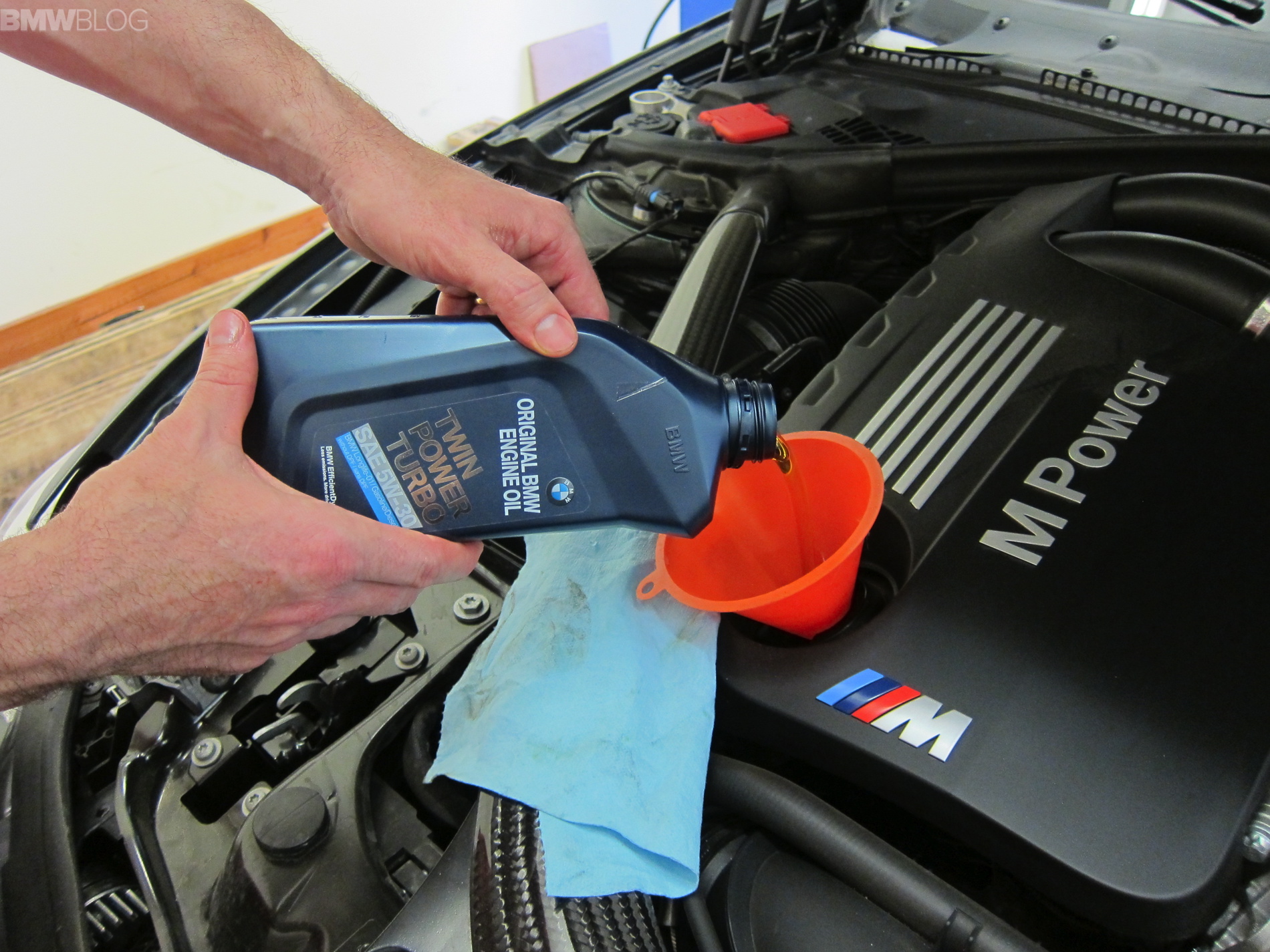
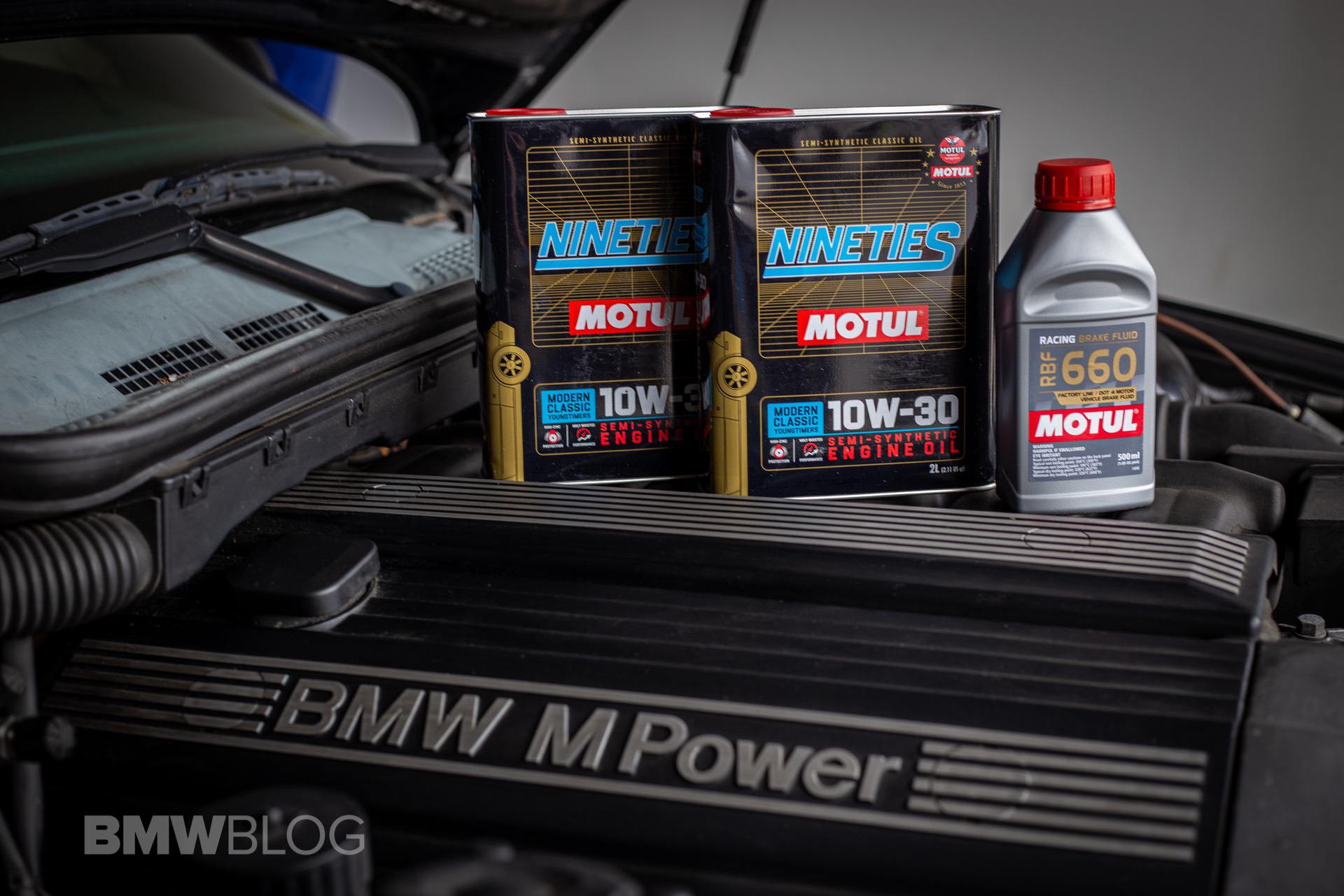
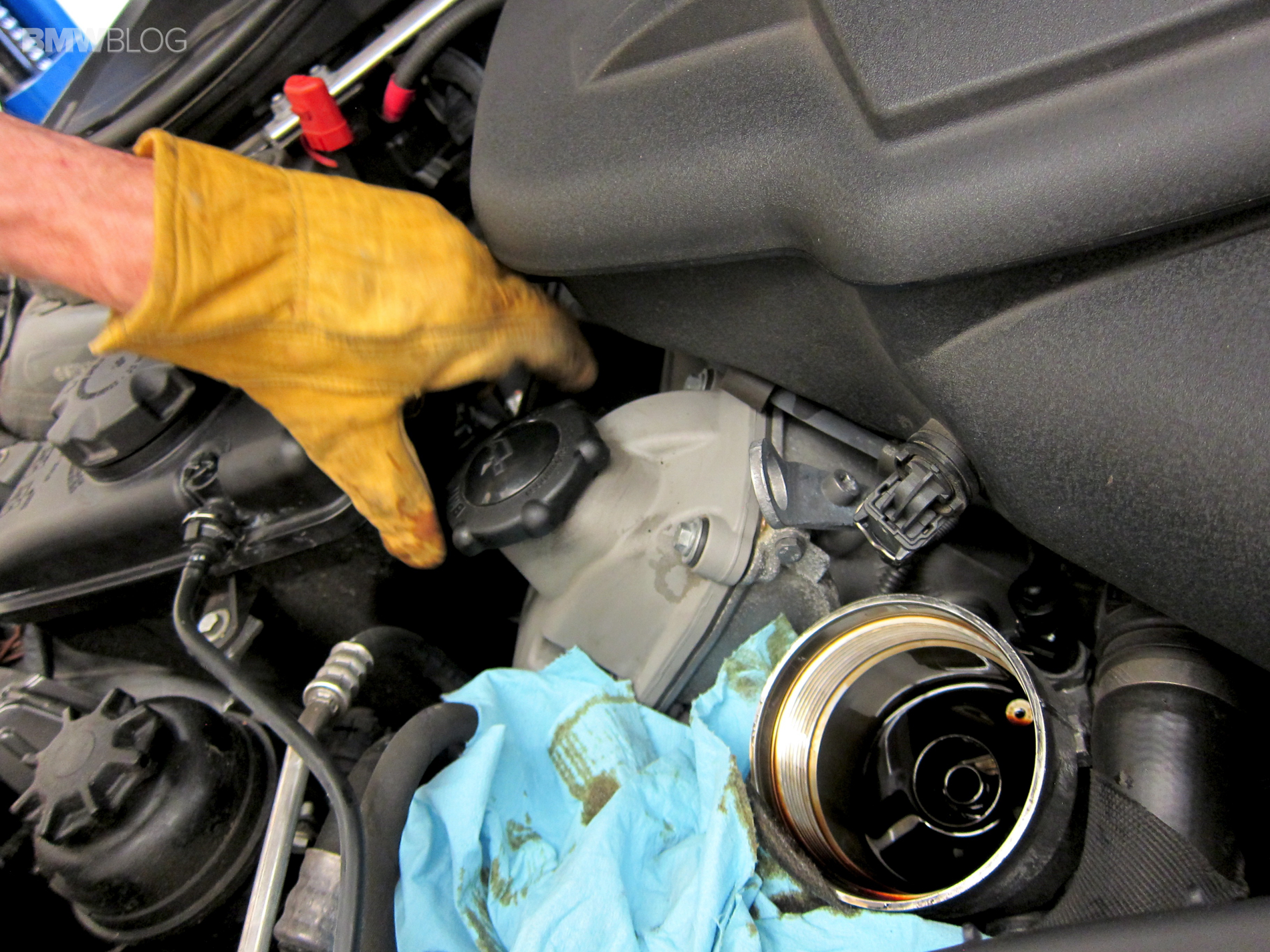
Ensuring that your BMW has high-quality and good-condition engine oil is one of the simplest ways to keep it running in optimal condition. While intervals may change depending on the model, it’s easy to monitor and inexpensive to keep up on. Oil health, therefore, should be considered high on the checklist when it comes to properly maintaining your BMW; especially when the downsides of not keeping up on it can be catastrophic. Hopefully, this article will serve as a reliable guide to all things oil in your BMW.
How Often Should I Change the Oil in My New BMW?
If you have a new BMW still under warranty, you should be changing your oil in accordance with the factory’s maintenance schedule. You’ll receive a notification on the iDrive display when it’s getting close (within 1200 miles or so). Generally, BMW centers will only change your oil (and include it under warranty) within that specified timeframe. BMW’s current service interval is 10,000 miles. Exceptions, of course, being BMW M vehicles that require more fastidious maintenance – the first oil service happens around 7500 miles, not counting the 1200-mile break-in.
How Often Should I Change the Oil in My Pre-Owned BMW?
While 10,000 miles is an acceptable service interval for a car that has had every oil change on-time and with correct, factory-specified oil, it gets a little bit more complicated with a pre-owned BMW. Oil changes are arguably even more important when you aren’t sure of the history of the vehicle. There’s no hard and fast rule, but a good rule is every 7500 miles or once a year in a modern, turbocharged BMW. But changing it more frequently certainly won’t hurt anything. Past 7500 miles, you risk the oil being overused – especially if you drive the car hard.
Remember that the point of oil is to keep the engine lubricated and clean of impurities. If it gets too broken down, it can get sludgy and instead have the opposite effect. While modern synthetic oils have extended service intervals a lot compared to conventional engine oils, they are subject to the same (eventual) ravages over time. This why “once a…
Source