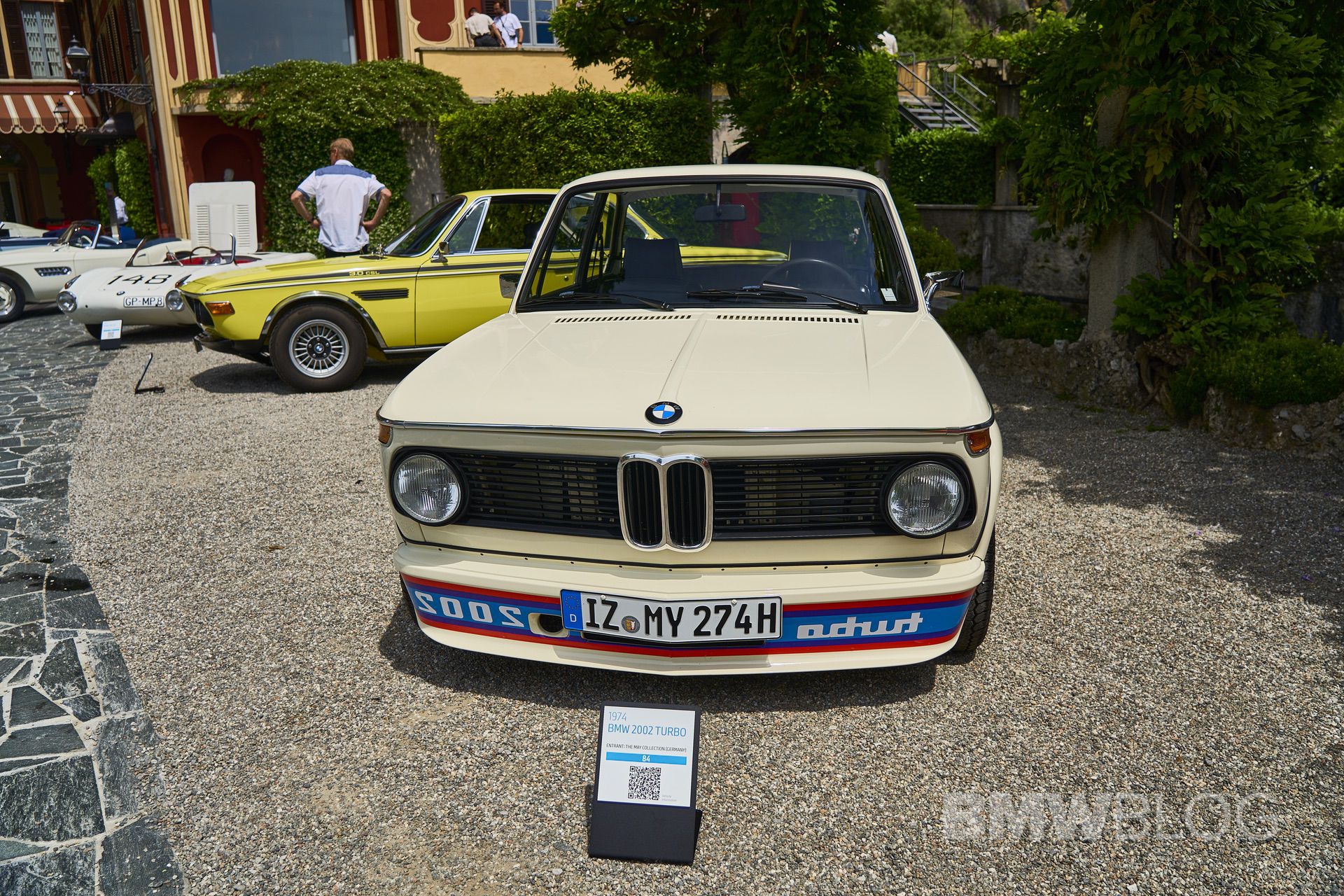
BMW was floundering – in danger of being absorbed by one or another of Germany’s larger carmakers in the late 1950s. They had a small car, the 700 and larger cars, the 500 series Baroque Angel, but nothing in the middle. And subsequently the end of BMW was in the offing if it wasn’t for the prospect of the midsize cars, known as the Neue Klasse, and the foresight of the Quandts to see the potential of the proposed midsize offering.
The four door sedans started with the 1500, and over time a four door 1600 emerged, then coupe versions of the 1600, the 1600-2 – which led to the development of the game changing 2002. This is the car that prodded BMW to take over Max Hoffman’s import empire in the US, planted the seeds of the BMW CCA in Boston (and Kansas City). It was the car that David E. Davis sang the praises of – this was BMW’s ticket to the big time. And BMW – much to our delight – changed the 2002, for the better, over the years.
BMW 2002 – The Car That Put BMW On The Map
The 2002 used an updated version of the M10 four cylinder engine, called the M05 from 1965 on. While retaining the single overhead cam cylinder head of the 1600 version, the 2.0 liter engine used a crank with eight, instead of four, counterweights. The difference between the layout of the 1.6/1.8 cranks and 2.0 crank are:
- 1.6/1.8 liter crank layout: counterweight, rod journal, main journal, rod journal, counterweight, main journal, counterweight, rod journal, main journal, rod journal, counterweight
- 2.0 liter crank layout: counterweight, rod journal, counterweight, main journal, counterweight, rod journal, counterweight, main journal, counterweight, rod journal, counterweight, main journal, counterweight, rod journal, counterweight
This crank layout was usually reserved for racing engines and provides better balanced higher RPM operation. In addition a change to the thermostat location, and thermostat operation – based on the difference between coolant temperatures (in block/in radiator) – reduced thermal shock (thermal extremes) and allowed for precise temperature control, and eliminating the need to replace thermostats for seasonal temperature variations.
The original 2.0l employed a single Solex carburetor and made approximately 100 hp, while the 2002ti employed dual Solex carburetors and made approximately 120 hp….
Source