]]>
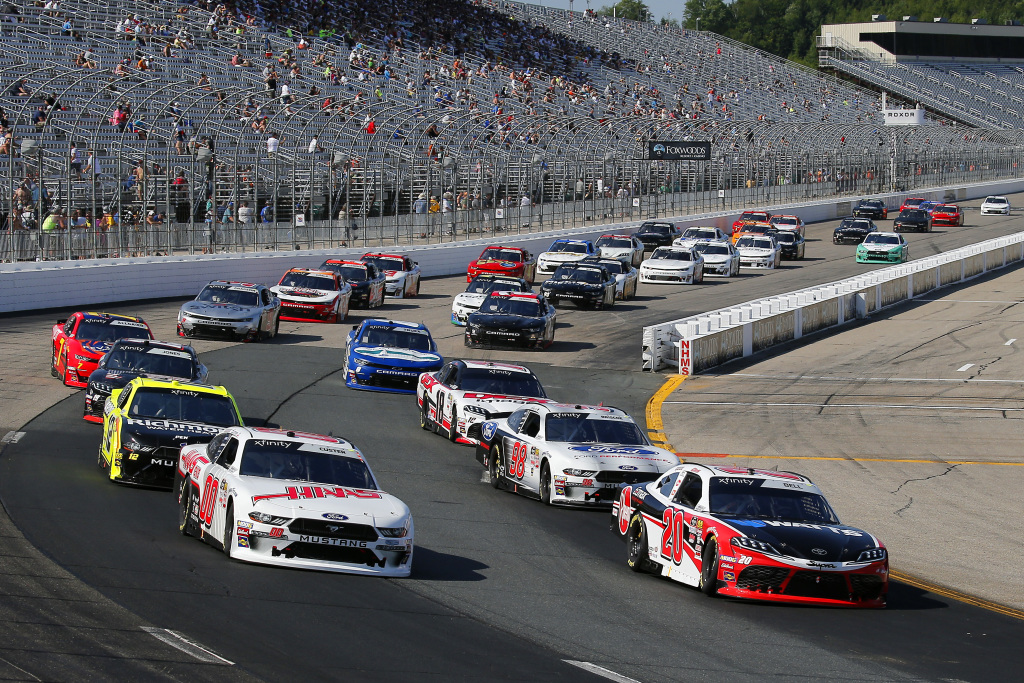
There are several hobbies that sports bettors have apart from sports betting. Many prefer playing at an online casino, but some also love watching NASCAR races. There are subtle distinctions in the vehicles that participate in NASCAR, despite the fact that every car that races in NASCAR is required to adhere to stringent standards.
When stock car racing first started in the 1940s, drivers would buy their vehicles straight from dealerships without making any changes. They would use the same automobiles that ordinary people in their communities were driving at the time. 1948 was the year that saw the birth of NASCAR. The majority of early racing courses were made of dirt. Hence the organization permitted modifications to the vehicles to increase their longevity.
There has been a steady increase in the number of permitted modifications over the years, which has led to a gradual improvement in the overall performance of the vehicles. The only significant difference between today’s NASCAR vehicles is found in their respective engines and body shells.
Each automobile is identical in every respect, including in its overarching design, its tires, suspensions, fuelling systems, electrical components, and gearbox. At the moment, there are three distinct manufacturers who make vehicles for the NASCAR series:
Each of these firms is obligated to provide NASCAR with its engine design for the purpose of receiving approval. Next-Gen Cars, also known as Gen-7s, are used in all NASCAR competitions. These race cars were developed to make stock cars more closely resemble vehicles that are permitted to be driven on public roads. The year 2022 saw the first implementation of this design as a sample.
Every car entered in a NASCAR race must comply with a stringent set of rules and regulations or run the danger of being disqualified, fined, or penalized points. The racing teams are permitted to reuse certain components, and there is considerable leeway for change in some aspects.
For instance,…
Source